
Read the following passage about AI AND GRIEF and mark the letter A, B, C or D on your answer sheet to indicate the best answer to each of t...
Đề bài
Read the following passage about AI AND GRIEF and mark the letter A, B, C or D on your answer sheet to indicate the best answer to each of the following questions from 23 to 30.
Artificial intelligence is creating a new way for people to interact with memories of their dead loved ones. This process, called "digital resurrection," uses AI tools to make photos move or create videos of deceased family members. A famous example is Alexis Ohanian, who used AI to animate a childhood photo of his late mother. Some people think this technology helps them keep memories alive and feel connected to those who have died. However, many experts worry about serious problems this technology may cause to our minds and emotions.
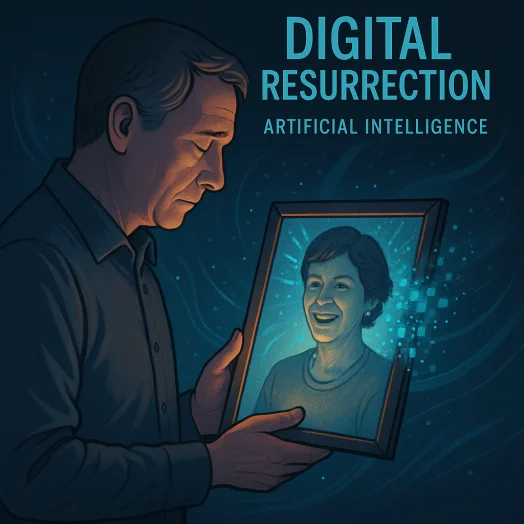
Supporters believe digital resurrection can bring comfort and help people accept death. But psychologists have different opinions. They are concerned that AI-generated videos and images could change how we remember real events. Upon exposure to these fabricated animations, our authentic recollections might be eroded and supplanted by synthetic ones. Another major problem is that talking to digital versions of dead people might stop us from accepting death naturally. People may avoid the difficult process of dealing with loss because they can continue false conversations.
More serious issues involve business and ethics. As digital remains like photos and videos increase, companies may want to make money from grief. Many questions arise: Who gets money from these services? Do people agree to have their images used? Could the technology be misused? These concerns show that grief and memory risk becoming products to buy and sell.
In conclusion, digital resurrection brings both hope and danger. While it may offer short-term comfort, we must think carefully about its effects on our emotions and society. We need to decide if these tools really help us or just delay accepting that people die. Understanding these questions will help us use technology wisely.
https://time.com/mk
Question 23: According to the passage, which of the following is NOT mentioned as a concern?
A. The technology could lead to legal liability and criminal penalties for creators of deepfakes.
B. The technology could erode authentic memories and replace them with synthetic recollections.
C. The technology could prevent people from naturally accepting death and processing grief.
D. Companies could profit from grief without proper consent or oversight regarding image usage.
Question 24: The word “animate” in paragraph 1 is OPPOSITE in meaning to _________.
A. enhance B. develop C. create D. immobilize
Question 25: The word “supplanted” in paragraph 2 could be best replaced by _________.
A. preserved B. enhanced C. replaced D. retained
Question 26: The word “their” in paragraph 3 refers to _________.
A. people B. companies C. services D. technology
Question 27: Which of the following best paraphrases the underlined sentence in paragraph 4?
A. Although the technology may bring temporary relief, we should assess its long-term psychological impact on individuals and communities.
B. Digital resurrection may provide short-term emotional comfort, but we must carefully examine its potential effects on mental health and society.
C. This technology offers immediate comfort, yet we need to thoroughly consider how it might affect our feelings and our social structure.
D. We should weigh whether temporary emotional benefits of this technology might outweigh its serious consequences for psychology and social development.
Question 28: Which of the following is TRUE according to the passage?
A. Digital resurrection has been proven to help most people accept death and manage grief.
B. Psychologists believe AI-generated videos will improve how people remember deceased relatives.
C. Psychologists worry that exposure to fabricated animations could erode authentic memories and replace them with synthetic ones.
D. Companies should be required by law to share all profits from digital resurrection services equally with families.
Question 29: In which paragraph does the writer mention what happens to our real memories when we see AI-created images?
A. Paragraph 3 B. Paragraph 1 C. Paragraph 4 D. Paragraph 2
Question 30: In which paragraph does the writer mention what ethical questions are raised about digital remains?
A. Paragraph 1 B. Paragraph 3 C. Paragraph 2 D. Paragraph 4