
Read the following passage about The 2025 Afghanistan Hunger Crisis: A Humanitarian Catastrophe and mark the letter A, B, C or D on your ans...
Đề bài
Read the following passage about The 2025 Afghanistan Hunger Crisis: A Humanitarian Catastrophe and mark the letter A, B, C or D on your answer sheet to indicate the best answer to each of the following questions from 23 to 30.
Afghanistan confronted an unprecedented humanitarian emergency in 2025, with acute food insecurity affecting approximately 15-17 million citizens—nearly one-third of the entire population. This devastating crisis emerged as one of the most severe global hunger emergencies, threatening millions with starvation and malnutrition. The magnitude of suffering reached alarming proportions, prompting urgent international concern and mobilization efforts worldwide. Regional experts described the situation as catastrophic, requiring immediate coordinated intervention.
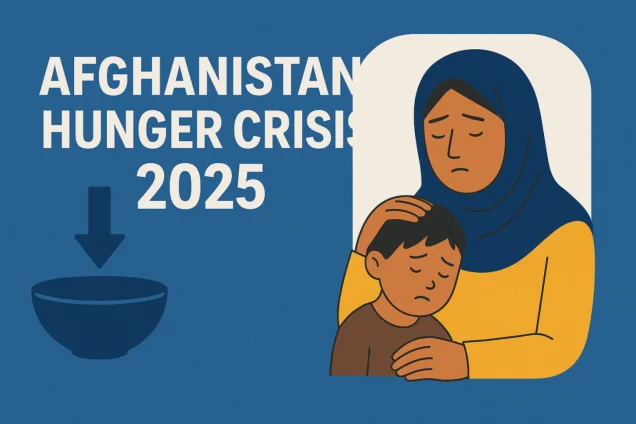
The catastrophe stemmed from multiple interconnected factors that systematically dismantled Afghanistan's socioeconomic infrastructure. Following the Taliban's resumption of authority, international sanctions froze national assets while foreign assistance programs ceased abruptly. Simultaneously, persistent drought devastated agricultural productivity, destroying crops and livestock essential for rural subsistence. These combined pressures created a perfect storm of economic collapse and resource scarcity. Environmental degradation further exacerbated existing vulnerabilities, accelerating the deterioration of their living conditions.
Women and children bore disproportionate consequences of this humanitarian disaster. Restrictive policies prohibiting female employment severely reduced household incomes, while educational barriers limited future prospects for Afghan families. Healthcare systems reported an alarming escalation in childhood malnutrition cases, with over three million children requiring immediate medical intervention. Many households adopted desperate survival strategies, including skipping meals and selling valuable possessions. Gender-based restrictions compounded socioeconomic hardships, creating additional obstacles for vulnerable populations.
International relief organizations, including UNICEF, WHO, and the World Food Programme, launched comprehensive emergency responses despite significant operational challenges. However, insufficient funding and logistical constraints hampered their effectiveness considerably. By mid-2025, more than half of Afghan families depended entirely on humanitarian aid for survival. Experts emphasized that sustainable recovery necessitates political stabilization, inclusive governance, agricultural rehabilitation, and renewed international cooperation to address this ongoing tragedy effectively. Donor fatigue and competing global crises complicated fundraising efforts substantially.
https://en.wikipedia.org/lk
Question 23: All of the following contributed to the Afghanistan hunger crisis EXCEPT _________.
A. International sanctions and frozen national assets
B. Foreign military invasion and armed occupation
C. Persistent drought and reduced agricultural productivity
D. Taliban's resumption of authority and restrictive policies
Question 24: The word “malnutrition” in paragraph 1 is OPPOSITE in meaning to _________.
A. deficiency B. depletion C. nourishment D. deterioration
Question 25: The word “their” in paragraph 2 refers to _________.
A. international sanctions
B. environmental factors
C. economic pressures
D. Afghan people
Question 26: The word “desperate” in paragraph 3 could be best replaced by _________.
A. extreme B. cautious C. moderate D. systematic
Question 27: Which of the following best paraphrases the underlined sentence in paragraph 4?
A. Most Afghan households required substantial international assistance to maintain their basic living standards during the first half of 2025.
B. Over fifty percent of Afghanistan's population relied predominantly on external relief efforts for survival throughout the middle of 2025.
C. The majority of Afghan families became completely reliant on international humanitarian assistance for their survival by mid-2025.
D. Nearly all Afghan households utilized various forms of humanitarian support to meet their essential survival needs during mid-2025.
Question 28: Which of the following is TRUE according to the passage?
A. International sanctions and persistent drought constituted the exclusive primary factors responsible for Afghanistan's unprecedented humanitarian emergency in 2025.
B. International relief organizations, including UNICEF, WHO, and the World Food Programme, launched comprehensive emergency response initiatives despite significant operational challenges.
C. Approximately twenty million Afghan citizens experienced acute food insecurity, representing nearly half of the country's total population during this crisis period.
D. Sustainable recovery necessitates exclusively political stabilization and renewed international cooperation, according to regional experts consulted in the comprehensive analysis.
Question 29: In which paragraph does the writer mention what happened to Afghanistan's national assets?
A. Paragraph 3 B. Paragraph 1 C. Paragraph 4 D. Paragraph 2
Question 30: In which paragraph does the writer mention what percentage of Afghan families relied on humanitarian aid by mid-2025?
A. Paragraph 4 B. Paragraph 3 C. Paragraph 2 D. Paragraph 1